Sailing
When to sail in Mallorca: season, wind and sea
Mallorca is far bigger than the Pitiusas, and that changes the question. Getting the month right is not enough here: you have to get the coast right. In the same wind, the south-east can be flat calm while the Serra de Tramuntana is somewhere you do not want to be.
Published on
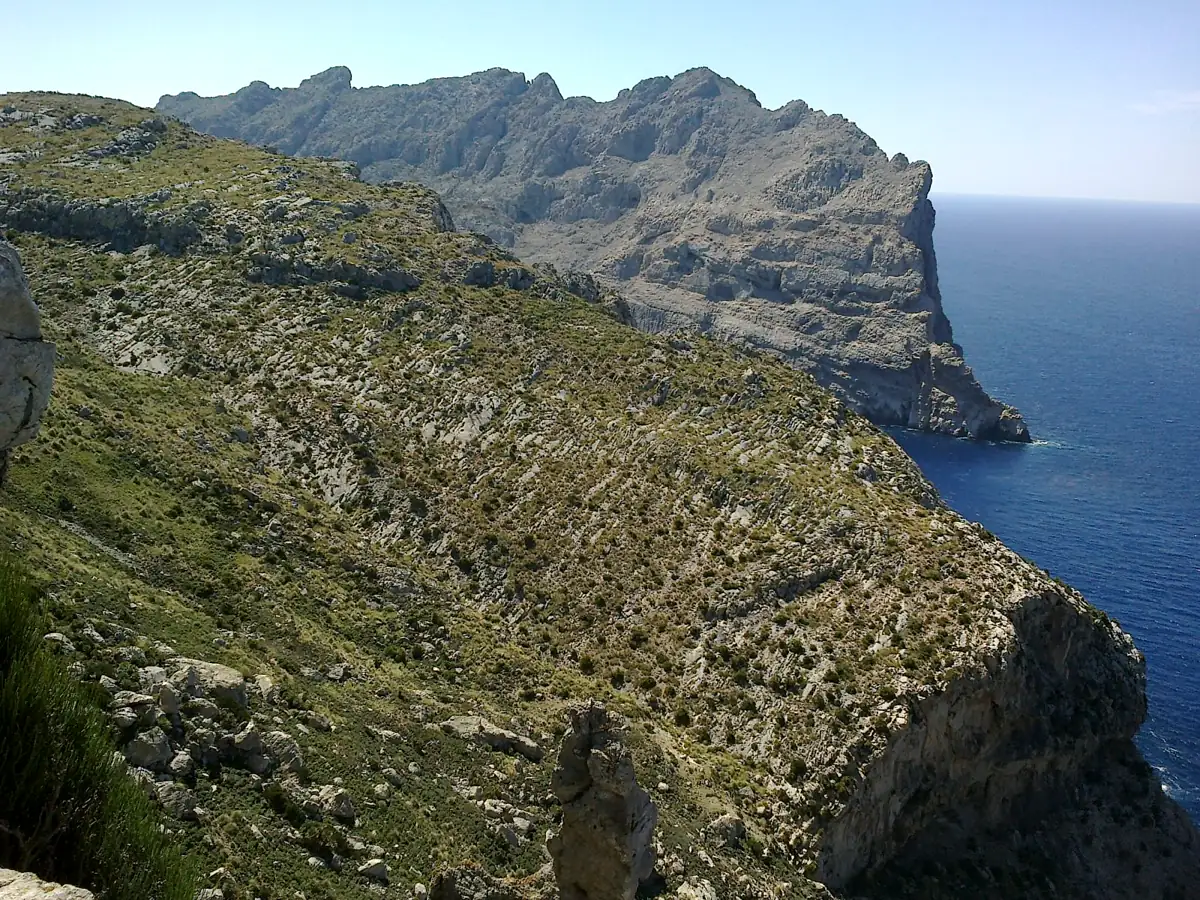
Photo by rene boulay · CC BY-SA 3.0
Month by month
April and May are excellent for actual sailing: comfortable temperatures, steady winds and a far emptier island. The water is still cold — around 15 to 18 degrees — so it is a better month for sailing than for swimming.
June to mid-September brings the best weather: settled sea, very few storms and water above 25 degrees in July and August. The trade-off is the usual one — full harbours, hard-to-find berths and peak prices.
September and October are, for us, the best balance. The water is still warm, the tourist pressure drops away and the coves empty out. That said, autumn brings the first serious depressions and the forecast deserves more respect.
January to mid-March is when we least recommend a day out: low temperatures and fronts that can bring 20 to 30 knots from any direction.
The embat, what makes summer easy
The embat is the thermal breeze that blows from April to October, and in Mallorca it is unusually reliable. In the bay of Palma it starts to fill in mid-morning, settles by midday and can hold for six to ten hours, averaging 8 to 14 knots with peaks of 12 to 18 on the best days.
What matters is its timetable: it is strongest between two and four in the afternoon. So a morning departure usually finds flat water, and an afternoon one finds proper sailing breeze. That is not a problem, it is a tool: if you want to sail, go out late; if you want calm swimming, go out early.
That regularity is a large part of why Palma is a sailing hub — you can count on usable wind almost every day in summer.
The tramuntana and the Serra
The tramuntana is the island’s dominant wind, out of the north, and the mountain range is not named after it by accident. It blows hardest in winter and early spring, but it can turn up at any time of year.
The problem is not only the strength, it is where it catches you. The north-west coast — from Sa Calobra to Sóller and beyond — is cliffs dropping sheer into the sea, with very few refuges and deep water right up to the rock. With the tramuntana in, that coast becomes a lee shore with no exits, which is exactly where no skipper wants to be.
The terrain also accelerates the wind around headlands and out of the valleys: you can go from twelve knots to twenty-five in minutes without the general forecast showing it.
Choosing the coast
This is the decision that really matters in Mallorca, and it gets made every morning.
- Tramuntana or northerly
- South and south-east. From Cala d’Or to Santanyí the coves are narrow, deep and well sheltered, and the water stays flat. The safe bet.
- Southerly or flat calm
- The Serra de Tramuntana. Sa Calobra, Cala Tuent and Cala Deià are only enjoyable on a good forecast — and then nothing in the Balearics compares.
- Afternoon embat
- Bay of Palma and the south-west. Good breeze for sailing, sheltered water and harbours close by if you need to come in.
- Easterly
- The south-west, around Portals Vells, which stays in the lee. The east coast loses its shelter with wind from that quarter.
Distances decide
Mallorca has more than five hundred kilometres of coast, so you do not go round the island in a day. One day covers one area; combining the south-east and the Tramuntana takes four or five days sleeping on board or in port.
And if you are coming from Ibiza, the crossing itself is part of the plan: you go with a weather window read the evening before and confirmed in the morning, like any serious passage.
Frequently asked questions
What is the best time of year to sail in Mallorca?
April to October, and especially May, June and September: good weather, usable wind, fewer people and far more reasonable prices than high August.
What is the embat and when does it blow?
It is the summer thermal breeze. In the bay of Palma it fills in mid-morning, settles by midday and peaks between two and four, averaging 8 to 14 knots.
Can you always sail the Serra de Tramuntana?
No. In northerly wind that coast has no shelter and the terrain accelerates the gusts. It is sailed only on a good forecast, and if that changes you head south.