
Canary Islands → The Bahamas
34 days at sea- Boat
- Lagoon 46
- Dates
- Crew
- 4 · Three captains and one deckhand
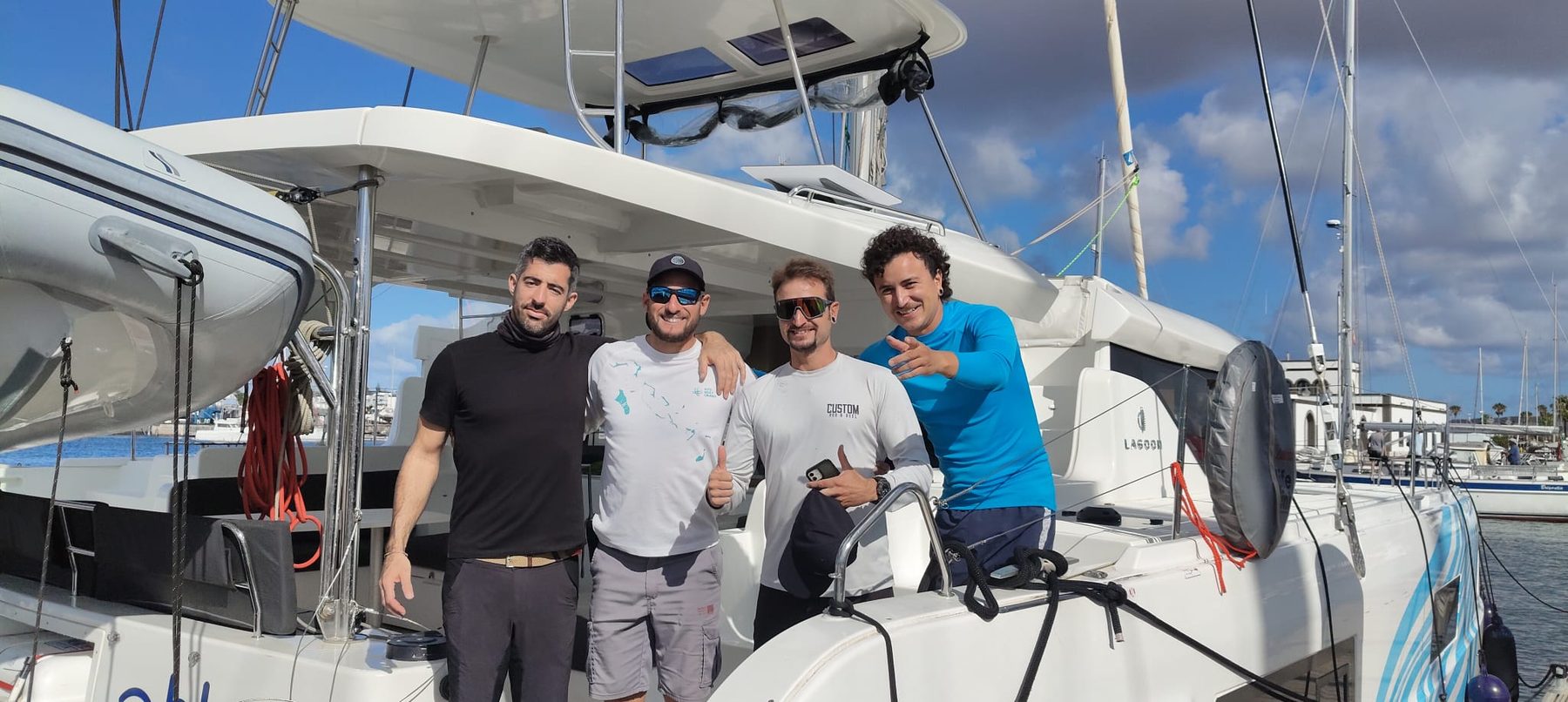
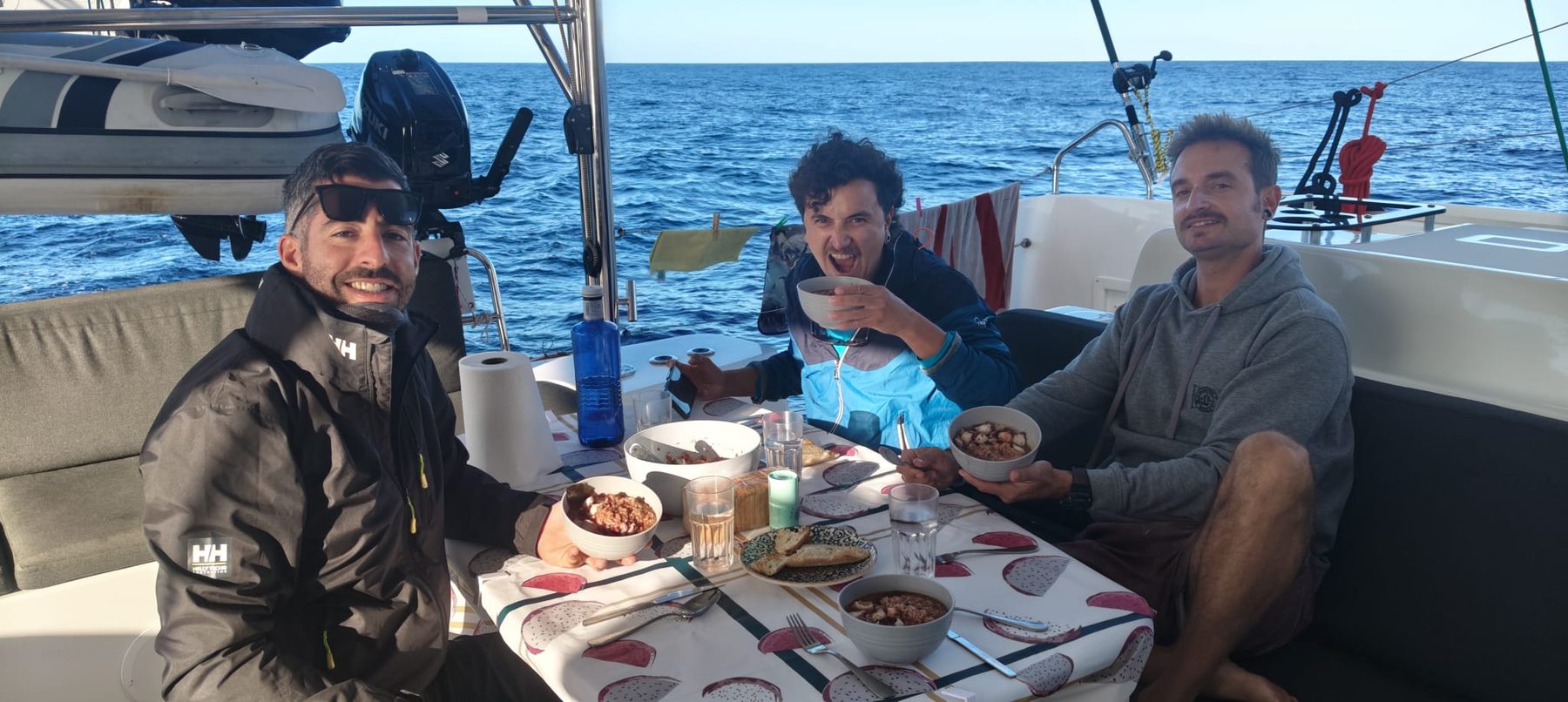
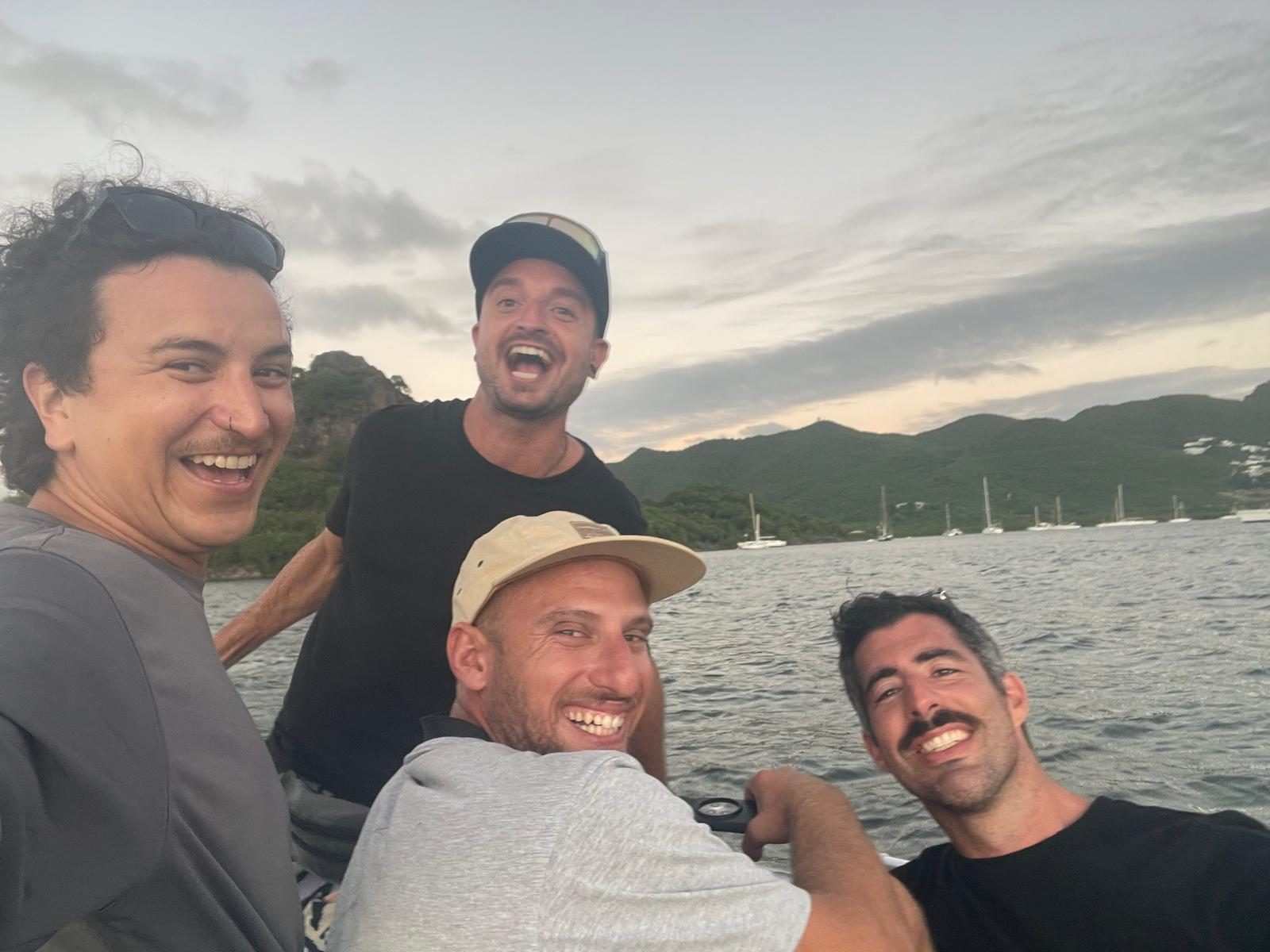
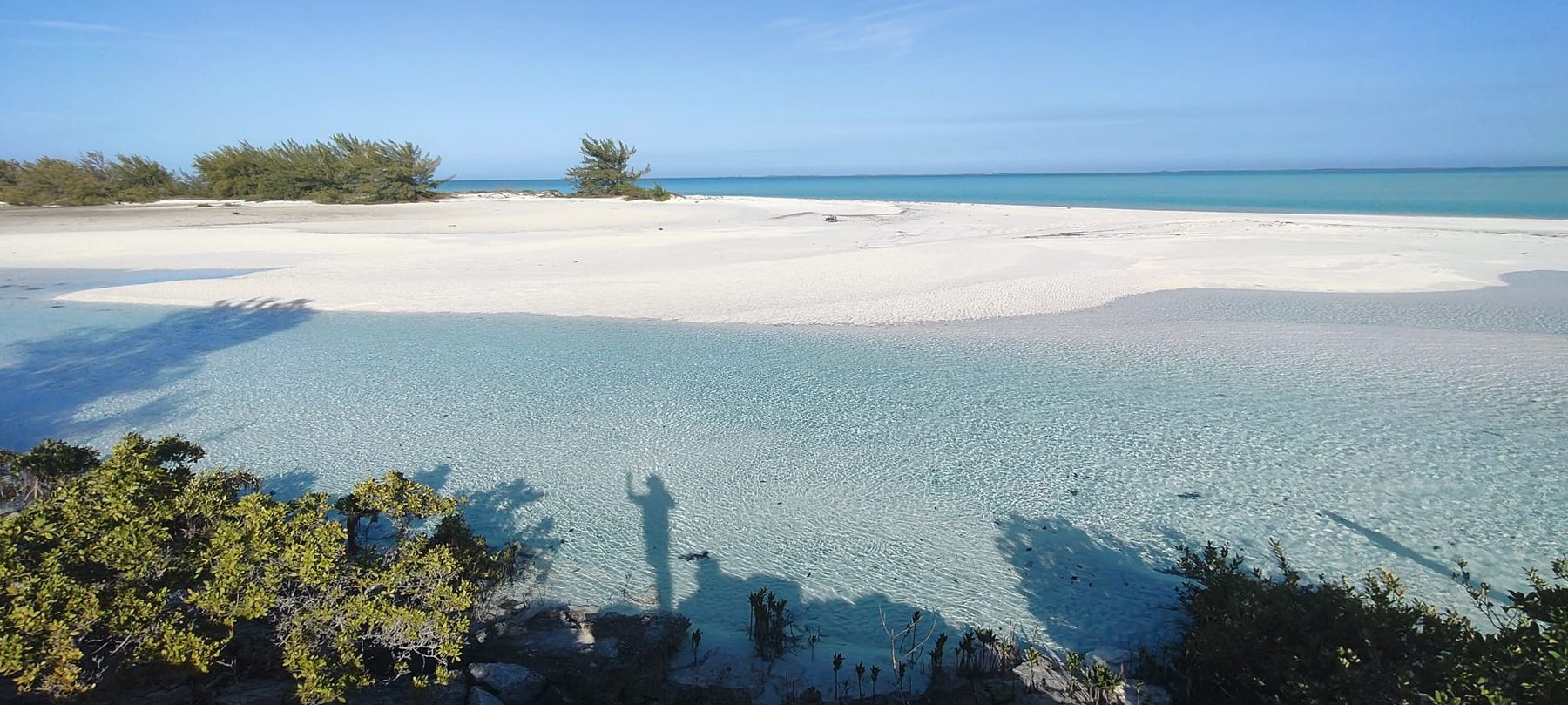
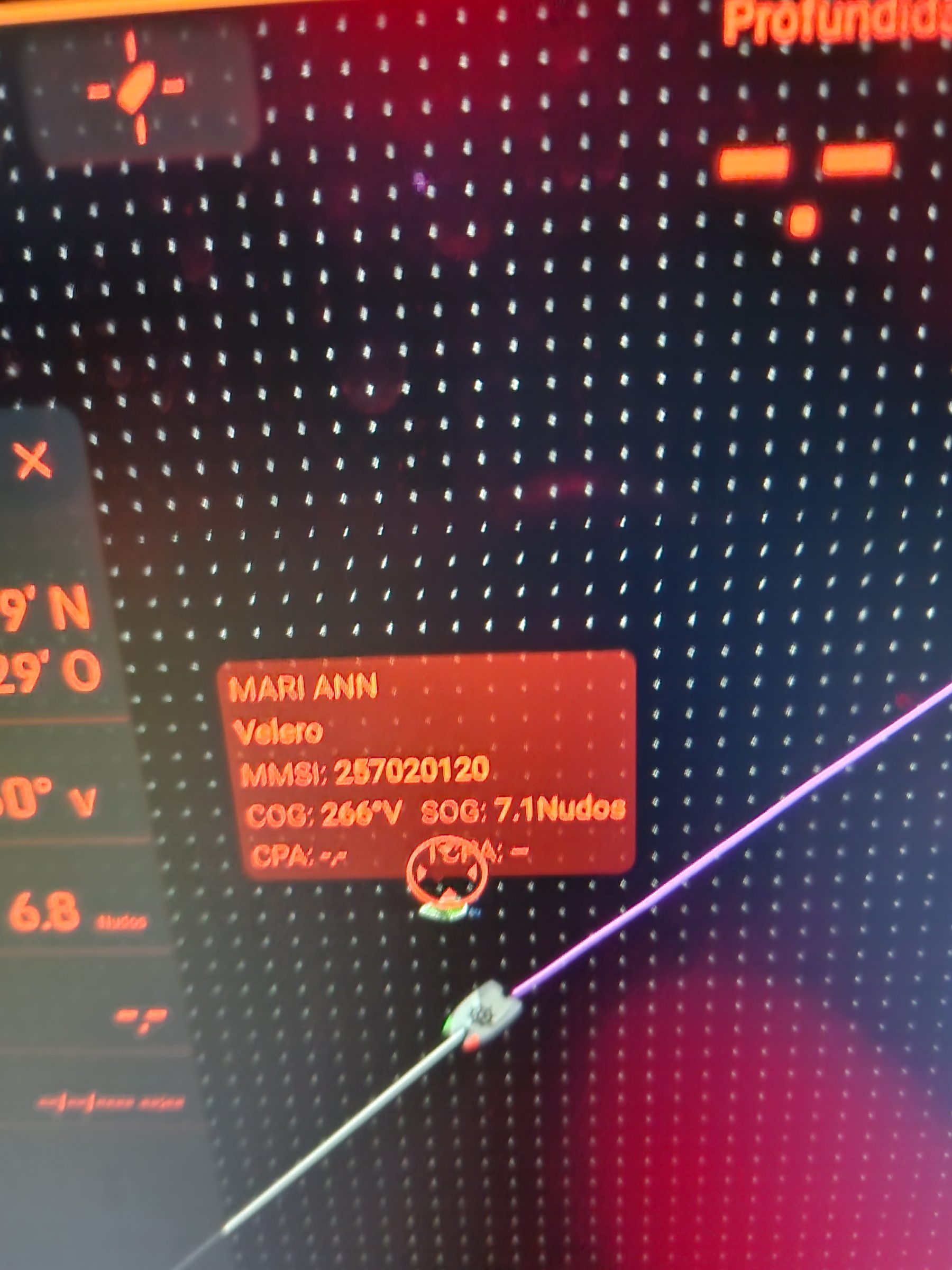
An Atlantic crossing by catamaran, with the watches shared between three captains for the whole passage and a deckhand completing the crew.
Deliveries
We deliver boats and yachts between any two points in the world: the Mediterranean, the Balearics and mainland Spain, the Canaries, Atlantic crossings and the Caribbean. With a professional crew on board sized to the distance, three checklists covering preparation, the passage and the end of passage, and duplicated satellite tracking the whole way. When a route is not worth sailing, we look at shipping her aboard a transport vessel instead.
We deliver any type of boat between any two points in the world, with a professional crew on board, three checklists covering preparation, the passage and the end of passage, and duplicated satellite tracking the whole way.
We are not limited to the Mediterranean. We plan the passage around the distance, the weather window and the navigation area covered by the boat’s insurance.
Never a single person. The team is sized to the distance: two people as a minimum, and from there the officers needed to cover the watches, a chief engineer and, on long passages, a cook. The team may include deckhands, but navigation watches are stood only by certified professional officers and captains.
Years of experience sailing all over the world. Before anyone boards we check that every crew member’s licences and certificates are current.
Between the three there are more than fifty sections, and everything checked goes into the logbook.
We carry a Starlink antenna and, alongside it, a Garmin inReach. That gives us a backup if either one fails, and both systems also let us call for help far more effectively.
| Item | Included? |
|---|---|
| A professional crew on board, sized to the distance | Yes |
| Navigation watches stood by certified professional officers and captains | Yes |
| Chief engineer on board | Depending on distance |
| Cook on board | On long passages |
| Preparation checklist before departure | Yes |
| Passage checklist throughout the crossing | Yes |
| Closing checklist, handover and final report | Yes |
| Duplicated tracking via Starlink and Garmin inReach | Yes |
| Position and status reports during the passage | Yes |
| Fuel, mooring and port fees | Per quote |
| Crew's travel to the origin port and back | Per quote |
| Boat's insurance | Owner’s responsibility |
Tell us the origin, destination, and approximate dates.
Each passage with her boat, her dates and the crew who were on board. No more and no less than what we did.
An Atlantic crossing by catamaran, with the watches shared between three captains for the whole passage and a deckhand completing the crew.
We are looking for captains, sailors, stews and mechanics who take care of every boat as if it were their own. Tell us about your experience and we will keep you in mind for upcoming seasons.
Crew
We are looking for captains, sailors, stews and mechanics who take care of every boat as if it were their own. Tell us about your experience and we will keep you in mind for upcoming seasons.
There is no per-metre or per-mile rate that holds for every case. What a delivery costs depends on the distance and the stops, the type of boat and her cruising speed, how many crew the route demands, the time of year and the weather window, and the items quoted separately: fuel, moorings, port fees and the crew’s travel to the departure port and back. Tell us origin, destination, boat and approximate dates and we will send a fixed quote with everything itemised.
It depends on the route, the boat and what her time is worth. Sailing her means she arrives on her own bottom but adds miles and engine hours, and it is the sensible option for most passages within the Mediterranean or between the Balearics, mainland Spain and the Canaries. Aboard a transport ship she travels as cargo, adding no hours and no wear, which pays off over very long distances, with fast boats of limited range, or when the date cannot move. We look at both and tell you which one fits your case.
Four things. The boat: model, length, engines, range, cruising speed and how well maintained she is. The route: the actual ports at each end, and any access or draft restrictions. The paperwork: flag, documents on board and confirmation that the insurance covers this kind of passage. And the calendar: your target date and how much margin we have to wait for a decent weather window.
Any: sailing yachts, catamarans, motor boats, motor yachts, schooners and RIBs. What changes from one job to the next is less the type of boat than her range, her cruising speed and the crew the route demands.
Anywhere in the world. The corridors we are asked for most are within the Mediterranean (Spain, France, Italy, Greece, Croatia and North Africa), between the Balearics and mainland Spain, to and from the Canaries, Atlantic crossings and the Caribbean. We are not limited to those: we plan every passage around the distance, the weather window and the navigation area covered by the boat’s insurance. Tell us your origin and destination.
A professional crew, never a single person. The team is sized to the distance: two people as a minimum, and from there we decide how many officers are needed to cover the watches, whether a chief engineer joins and, on long passages, a cook. The crew may include deckhands, but navigation watches are stood only by certified professional officers and captains.
Captains, chief engineers and chefs with years of experience sailing all over the world. Before anyone boards we check that every crew member’s licences, safety certificates and medical are current.
A professional crew on board sized to the distance, the full preparation checklist before departure, the running checks throughout the passage, duplicated satellite tracking, position and status reports, and the closing phase with the handover of the boat and a final report with photographs. Fuel, moorings, port fees and the crew’s travel are quoted separately, and the boat’s insurance is the owner’s responsibility.
Three, one per phase of the delivery. Preparation covers the boat’s and the crew’s paperwork, certificates and safety equipment, machinery, electronics and communications, the passage plan, provisions and spares, and ends with a countdown that starts 72 hours before departure. The passage checklist repeats by frequency: at every watch handover, daily, weekly and monthly, and it includes the emergency procedures and the reports to shore. The closing checklist covers arrival, port formalities, the final condition of the boat, the handover and the owner’s report. Between the three there are more than fifty sections, and everything checked goes into the logbook: if it is not written down, it was not done.
It depends on distance, the boat and the weather. Tell us origin, destination and approximate dates and we will give you a concrete estimate, with the weather window and the planned stops.
We wait. We set a target date, but the decision to sail is the captain’s on the day with the forecast in front of him, and that decision is not negotiable against a calendar. Schedule pressure on a delivery is one of the most repeated causes of serious damage and loss: forcing a departure to meet a date can cost the whole boat. When we plan we ask you for margin precisely for this, and we tell you the moment the window moves.
Yes, and not doing so is the most expensive mistake there is. A boat having insurance does not mean the passage is covered: many policies limit the navigation area, require a minimum number of crew or exclude certain months, and none of them assume someone other than the owner will be in command. Before we cast off we confirm in writing with your broker that this specific passage is covered. Cover is verified, never assumed.
Yes. We run the full preparation checklist and document the condition of the boat with photos and video before we cast off, including any deficiencies we find. We would rather find a problem in port than halfway across.
Yes, and we do it twice over. On board we carry a Starlink antenna on one side and a Garmin inReach on the other. That gives us a backup if either one fails, and both systems also let us call for help far more effectively. On top of that we send you position, status and ETA reports throughout the passage.
Fill in the form on this page with the origin, destination and approximate dates, or write to us at sail@essencesailing.com.
What we have learned preparing and making passages: what gets checked, how decisions are made, what insurance covers and what to ask before hiring anyone.

A boat can be perfectly fit to sail and have a problem in her paperwork. What gets checked before moving a boat or signing a sale.
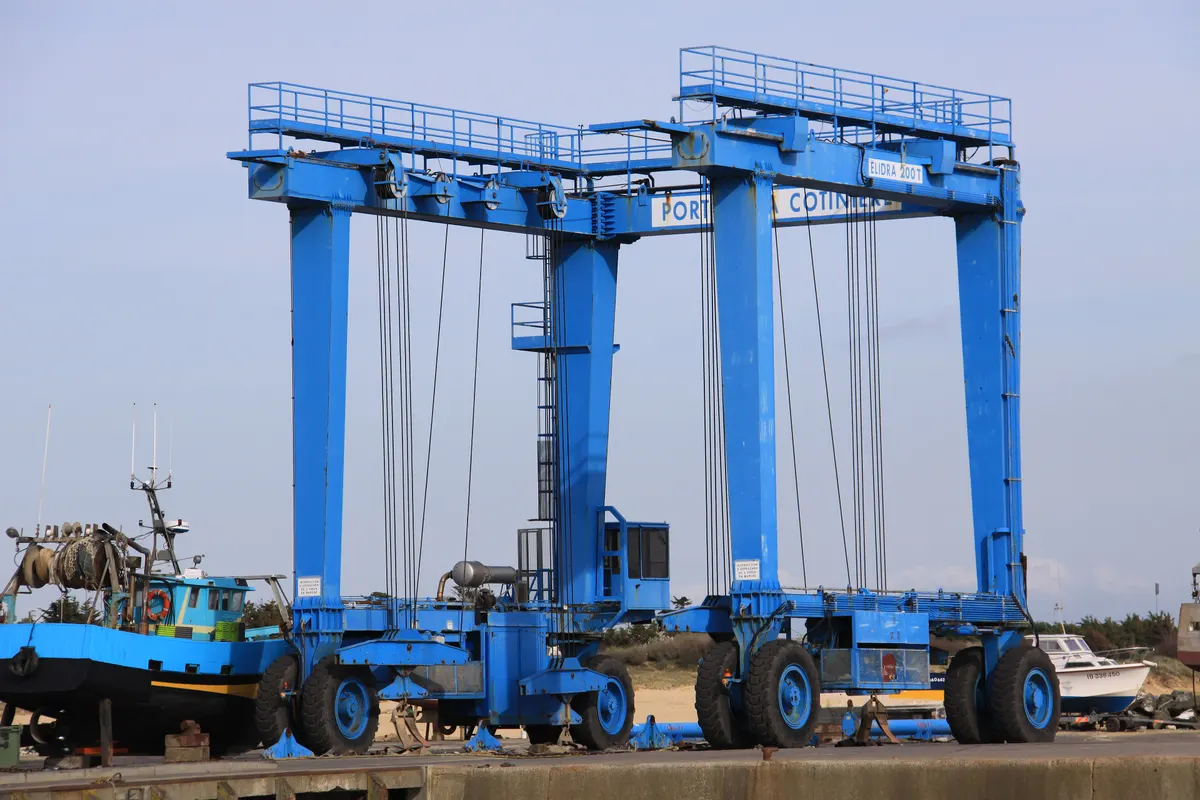
A boat is not maintained by one service a year. Every system ages at its own rate, and the point is to catch things early, prioritise well and leave a record.
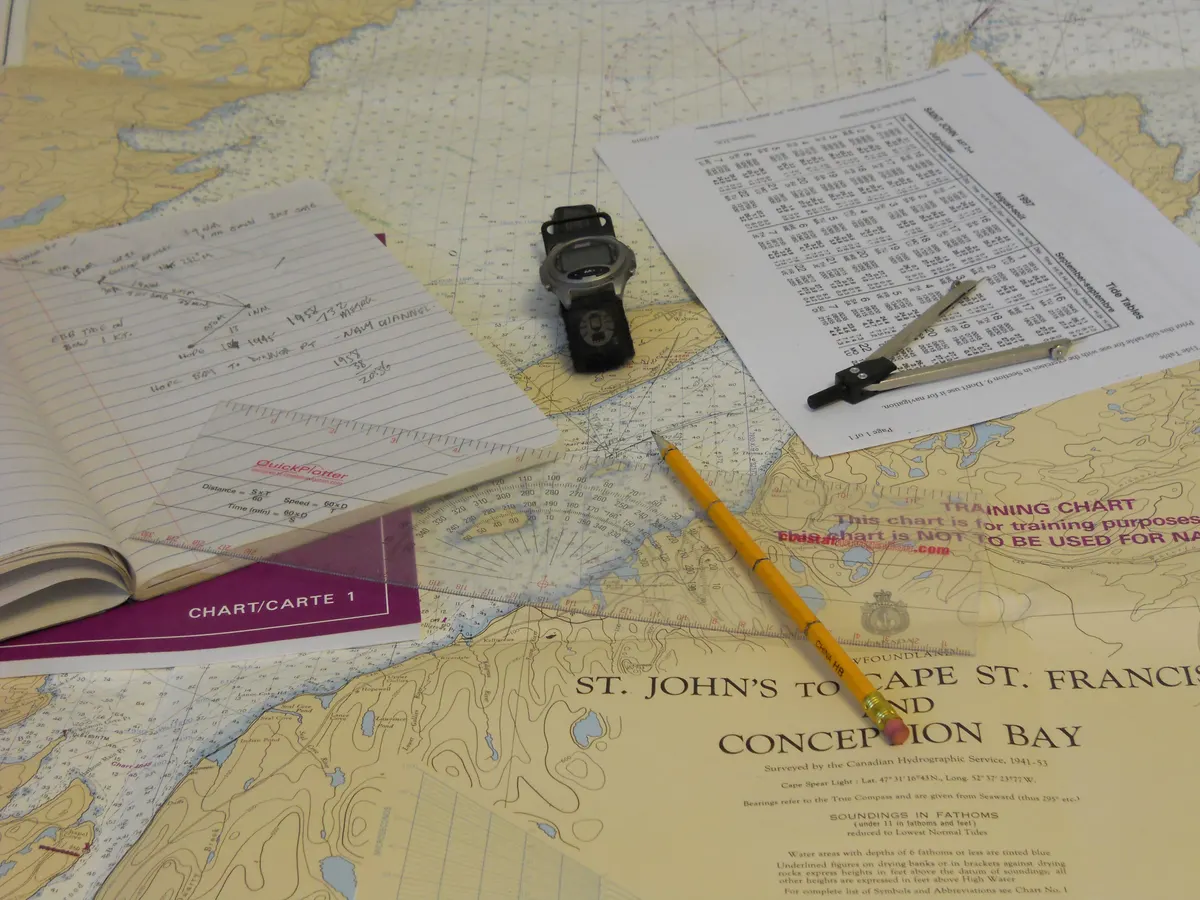
Four blocks of information and a quote stops being a number in the air. This is what we ask, and why each answer moves the price.
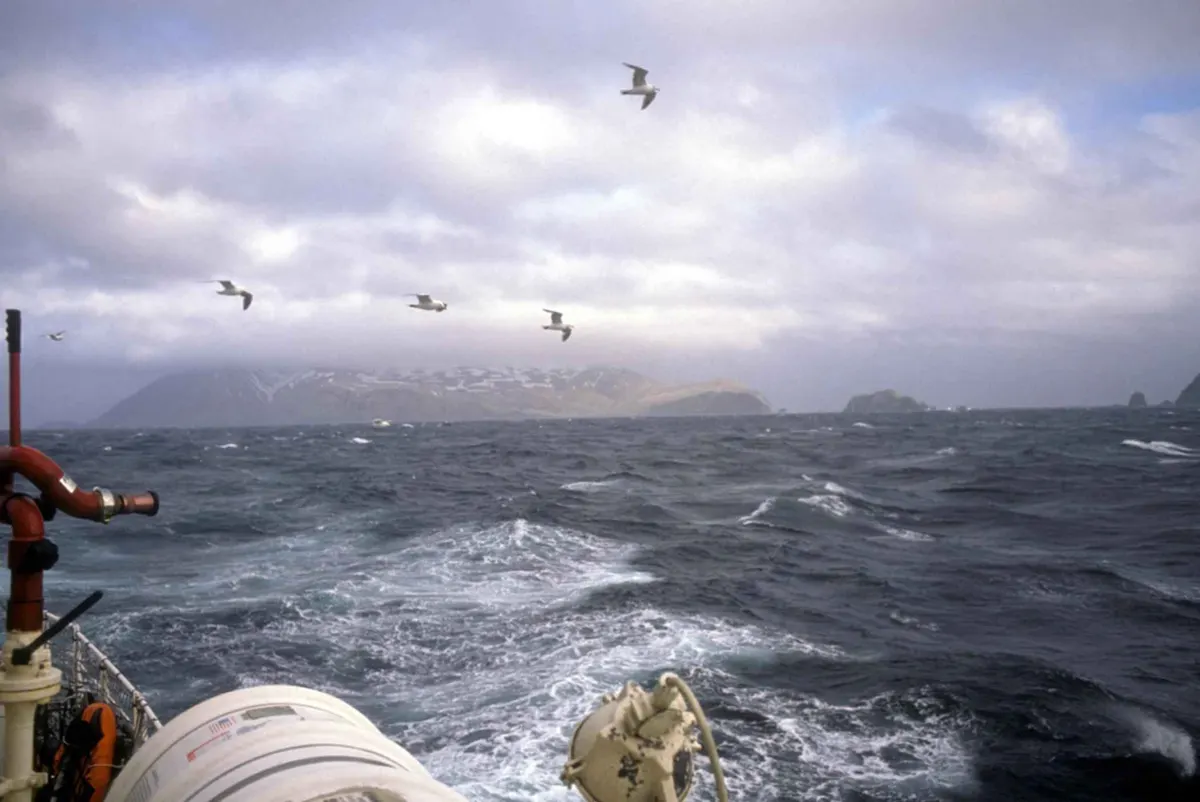
The most repeated cause of loss on a delivery is not an unforecast gale. It is a date in a calendar and somebody who sailed anyway.
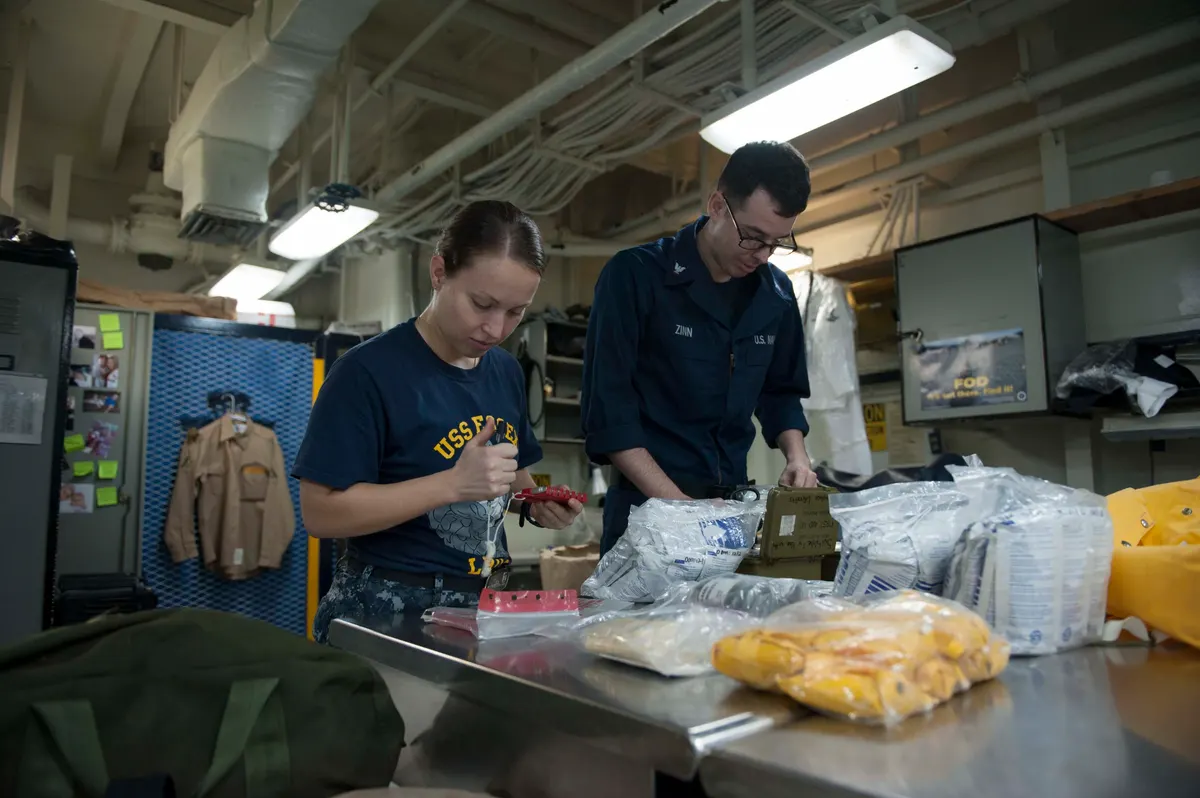
On a long passage things break. What separates a scare from a total loss is whether the people aboard have practised what they are about to have to do.
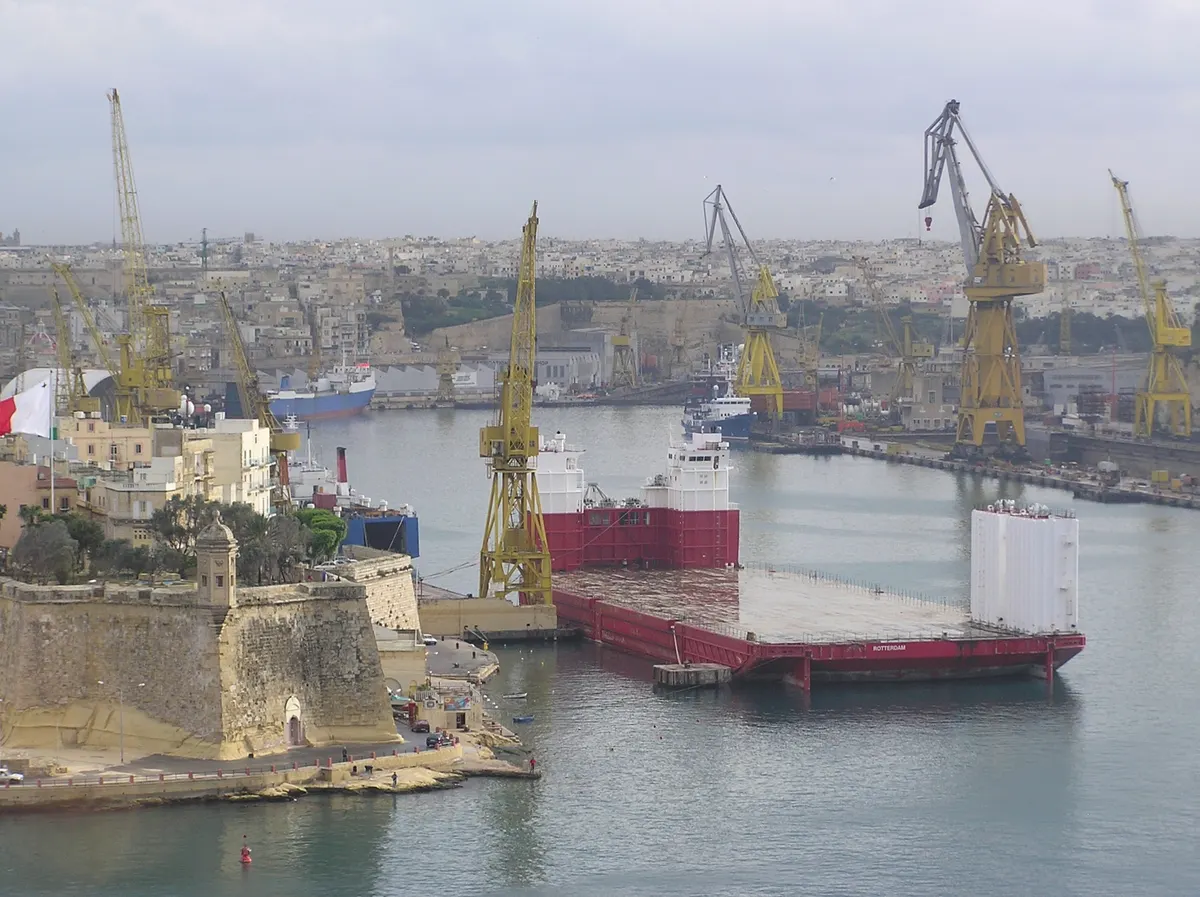
Craned aboard or floated in. The two systems, what decides whether your boat fits, and how a vessel is prepared to travel as cargo.
There are two ways of moving a boat between distant ports, and the same one does not always win. What really changes between sailing her and shipping her as cargo.
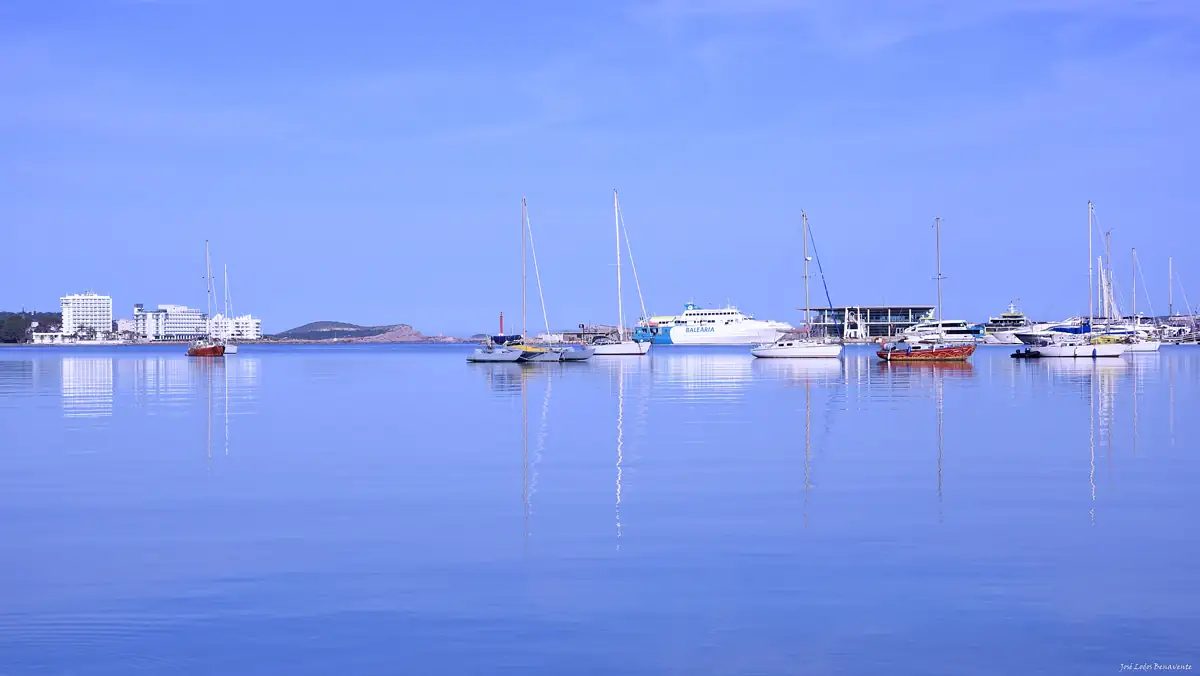
Professional transfer of a boat between two ports, by sea and with crew. When it makes sense, when it does not, and what to expect from the service.
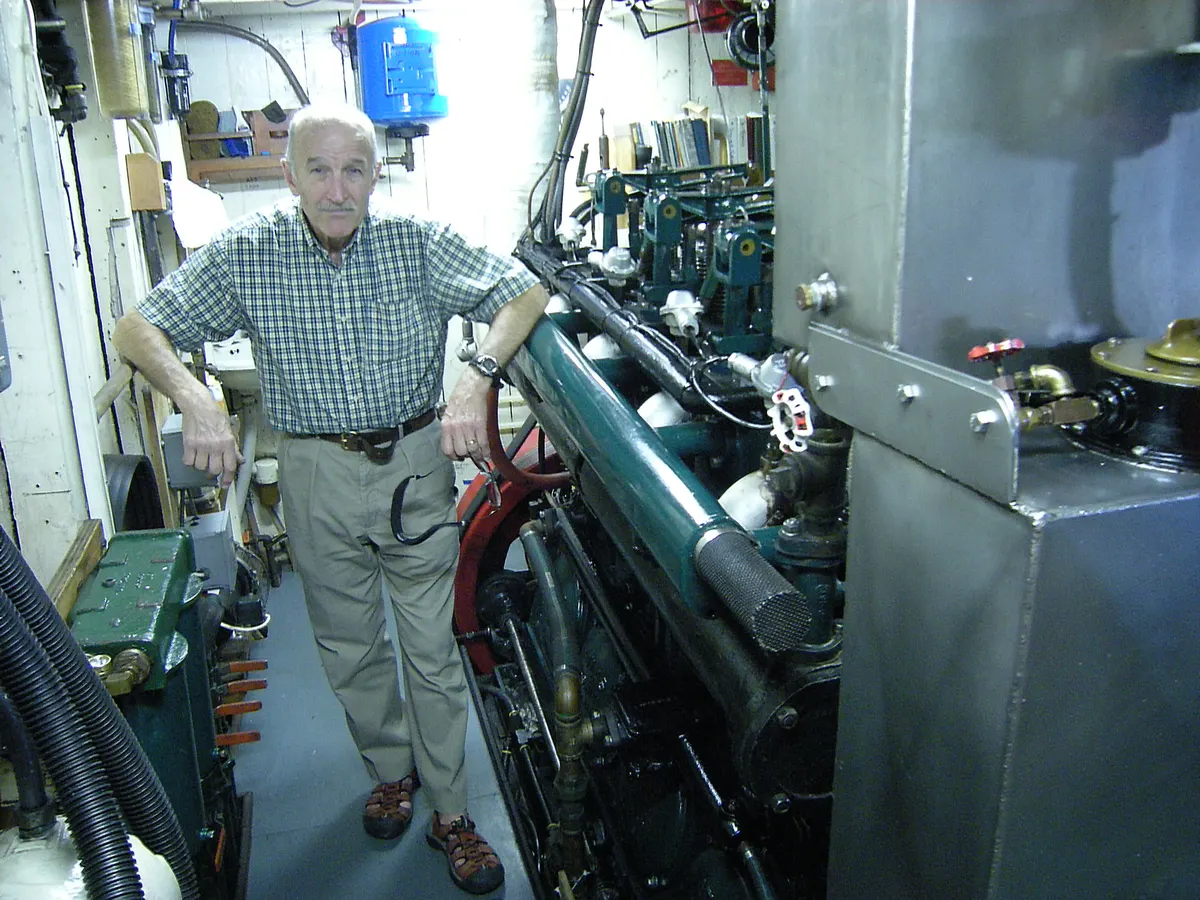
The longer the route, the less sense it makes to leave a known problem for later. What gets checked, why, and what happens when something is not right.
The most important document in the whole process, and the one most people skip. What it should contain and why it protects both sides.
The most important decision of a delivery is made ashore: when to leave. How forecasts get read and why sometimes the professional answer is to wait.
What we carry once the boat leaves coastal waters: liferaft, harnesses, jackstays, EPIRB and the gear we hope never to touch.
The biggest risk on a passage is not the gale: it is fatigue. How watches are organised so nobody makes decisions exhausted.
A boat having insurance does not mean the delivery is covered. The most expensive mistake an owner can make fits inside a five-minute phone call.
The folder to have ready before departure, on paper and digitally. What the authorities ask for and what you will be glad to have if things go wrong.
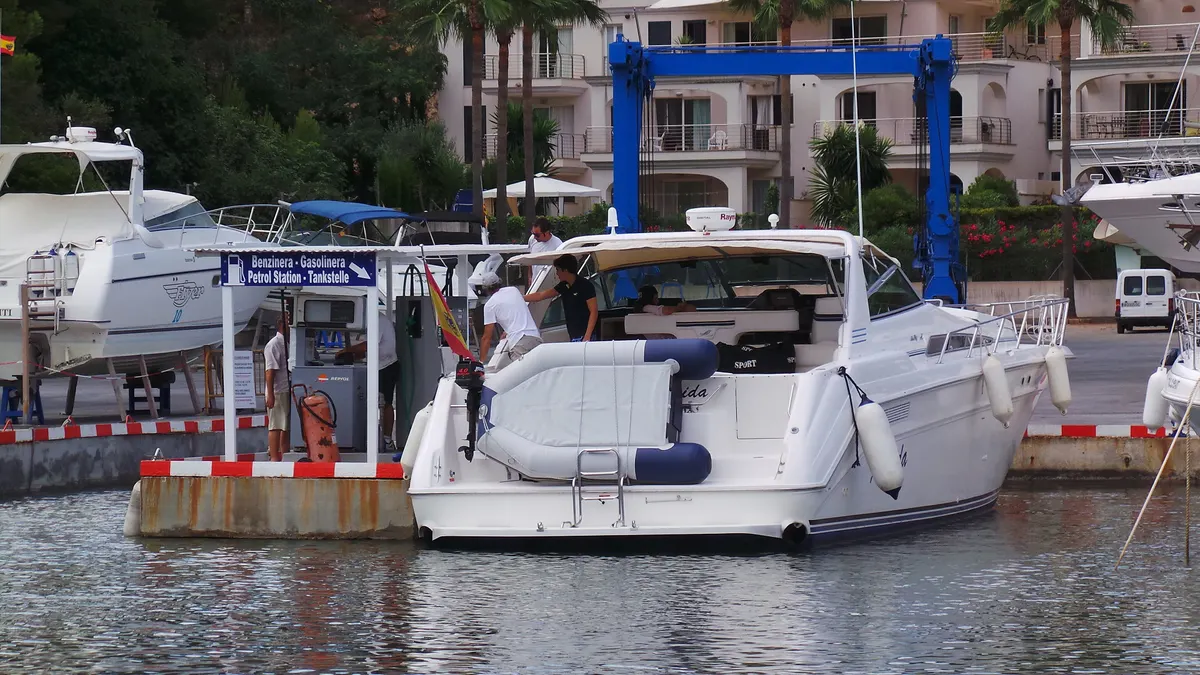
What the boat actually burns, how much margin to leave, and why the tank gauge is not a reliable source of information.
Charter in Ibiza