Protocols
Crew, watches and rest
Ask anyone who has done long passages what the real risk is and almost nobody says wind. They say tiredness. An exhausted skipper makes bad decisions, and bad decisions are what end in incidents.
Published on

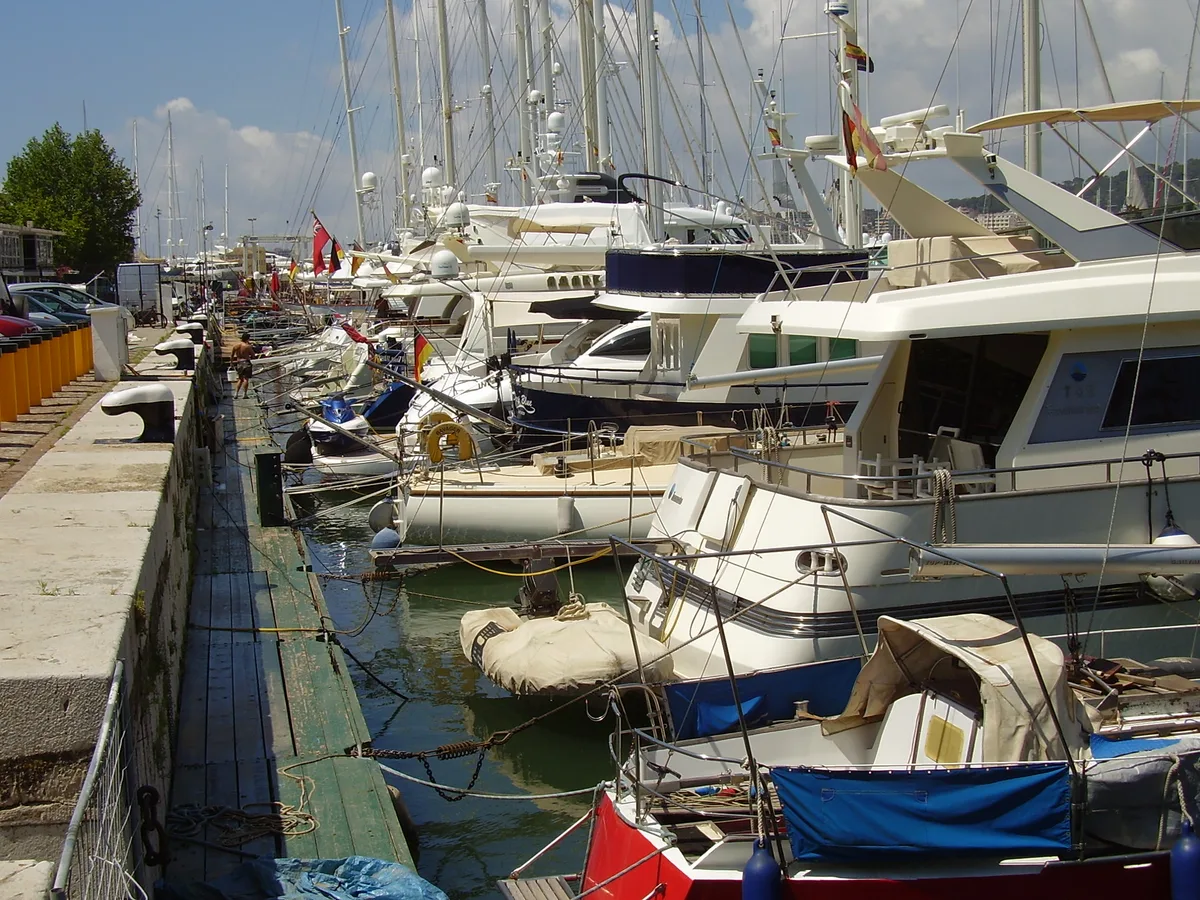
Photo by DetFerMai · CC BY-SA 4.0
How many go on board
Crew numbers are set by the passage: miles, expected nights at sea, boat type and degree of automation. A boat with a reliable autopilot and a sheltered cockpit can be run with fewer people than one where you must helm by hand and exposed.
What we do not do is size the crew to the budget. If the passage needs three people, three people go.
Watch systems
With three capable crew and decent weather, three hours on and six off works very well: every 24 hours the watches rotate, so every third night someone sleeps from midnight to six — close to a normal night.
With two people on a short passage, four hours by day and three by night is a sensible pattern. If you have to helm by hand in an exposed position, shorten to two: any longer at the wheel in those conditions is exhausting and unproductive.
The key in any system is that the full cycle runs on 24 hours. Otherwise each person’s off-watch hours shift daily and fatigue accumulates without anyone noticing.
Watch rules
Whoever is on watch is on watch: no dozing off "for a minute". A visual and radar scan every few minutes, position logged hourly, and the skipper woken for any doubt — no exceptions and no embarrassment.
Watches are handed over with margin, not at the last second, and with a clear brief: course, traffic in sight, immediate forecast and anything odd. And whoever comes on eats and drinks something first.
Managing fatigue
Hot food prepared in advance for bad weather, constant hydration, and seasickness prevention started before departure rather than once it has set in. If someone is struggling, they get relieved, full stop; pushing a seasick crew member helps nobody.
And a rule of ours: delicate manoeuvres, if they can wait for daylight and two rested people, wait.
Frequently asked questions
How many crew does a delivery carry?
It depends on miles, nights at sea and boat type. Two or three is typical, and the decision is made on safety grounds, not cost.
What watch system do you use?
With three crew, three hours on and six off in a 24-hour cycle. With two, three or four-hour watches, shorter if hand-steering is required.
What qualifications does the crew hold?
Those appropriate to the navigation zone of the passage. Certificates are provided to the owner with the rest of the paperwork before departure.