Protocols
The handover and acceptance record
A delivery done properly starts and ends with a signed document. The handover record describes the state the boat was received in and the state it was returned in — and it is what stops anyone wondering three weeks later whether that scrape on the quarter was already there.
Published on

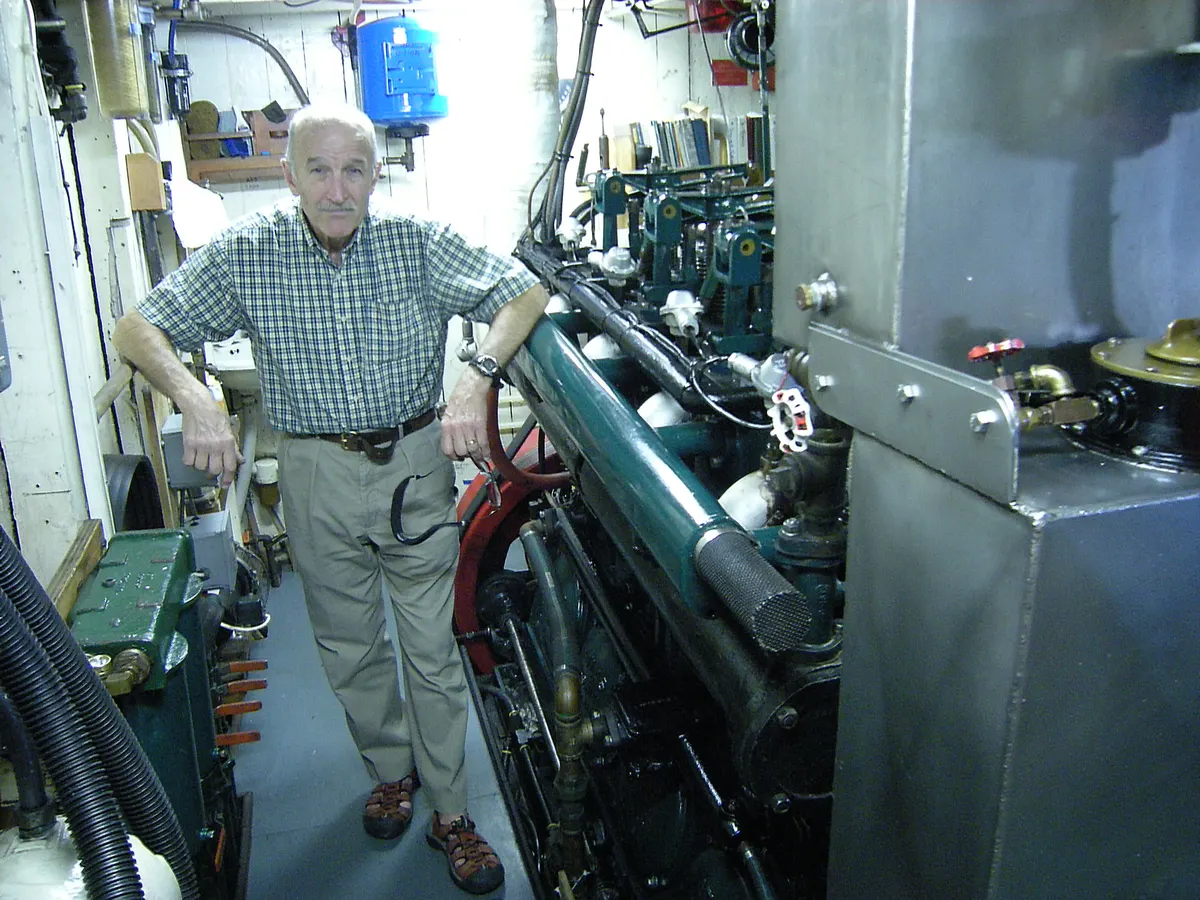
Photo by ILA-boy · GNU GPL 2.0+
What the record contains
Boat and party details, date and port. Engine and generator hours, fuel and water levels. An inventory of what is on board: safety equipment, electronics, sails, tools, spares, deck gear and, where applicable, tender and outboard with serial numbers.
Then condition: hull, deck, interior, upholstery and any existing damage described in detail — backed by a set of dated photographs filed with the document.
Why it is done this way
Because a handover record is a binding document both parties can refer to if there is a disagreement. Without it, anything that turns up at the end becomes one person’s word against another’s, and that is no way to work with anybody.
It also helps practically: if the owner sees in the initial record that two lifejackets are missing and an extinguisher is out of date, it gets fixed before departure rather than discovered mid-passage.
The final handover
On arrival the process repeats: readings, inventory, condition and photos. Added to that is the passage log and a defect report covering anything that appeared along the way, from an odd noise in the transmission to a minor leak dealt with on board.
For many owners that report is the most valuable part of the service: a real diagnosis of the boat under way, not sitting on a berth.
How we deliver it
A record signed by both parties, as a PDF, with the photographic set and the log attached. Sent on the day of handover, with a copy retained. If the owner could not attend, it is done by video call and signed digitally.
Frequently asked questions
Is a handover record compulsory?
No regulation requires it, but it is basic professional practice. It is the document that protects both the owner and the crew if a discrepancy appears.
What if the owner cannot be there?
The walkthrough is done by video call with photographs and signed digitally. What matters is that condition and date are on record.
Is there a report at the end?
Yes: the acceptance record, the passage log and a defect report covering everything noticed during the passage.